Stellantis Considers Selling Plant That Built Dodge Muscle Cars


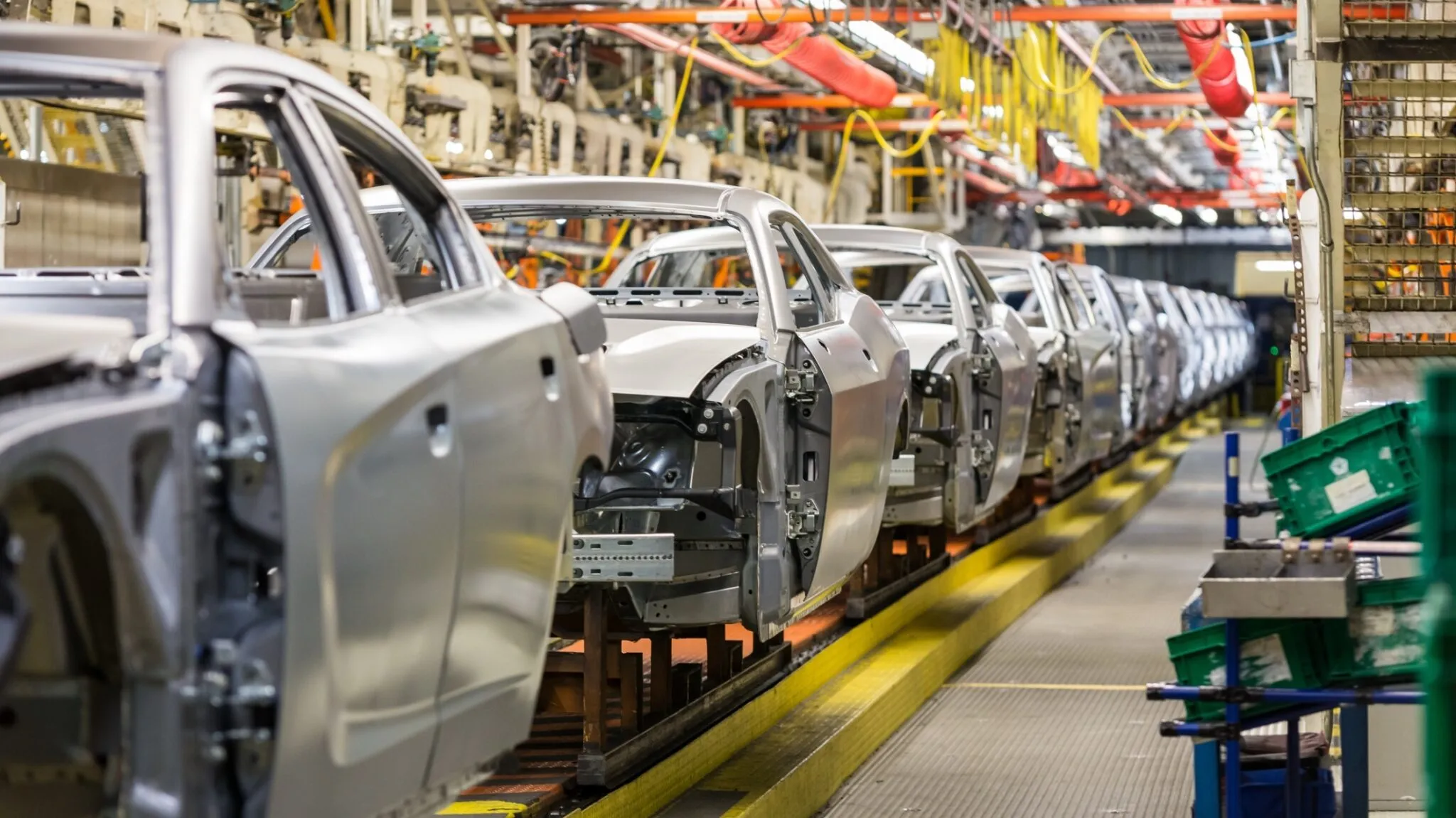
Stellantis is considering closing and selling its Brampton plant in Ontario, Canada, a facility that was once home to the production of several Dodge and Chrysler vehicles. The move comes amid growing uncertainty over the future of the plant, which stopped vehicle production in late 2023.
According to Canadian media reports, Unifor president Lana Payne said Stellantis had informed the union that it was considering closing and selling the facility. The automaker has not issued a formal notice regarding a potential closure.
The Brampton plant, formerly operated by American Motors Corporation, most recently produced models including the Chrysler 300, Dodge Charger and Dodge Challenger. Vehicle production ended in late 2023 as Stellantis prepared the facility for production of new Jeep models.
However, the retooling project was halted in February 2025. By October, Stellantis had shifted its planned production of the Jeep Compass to its plant in Belvidere, Illinois, leaving the Brampton facility without an assigned vehicle program.
Payne said workers are now facing growing uncertainty over the future of their jobs, describing a potential closure as a major blow to employees who had been waiting for production to resume.
A closure could affect around 2,200 jobs at the plant, while workers are currently receiving an income guarantee equivalent to about 70% of their regular earnings, according to Canadian media reports.
The labor agreement covering Stellantis facilities in Brampton, Windsor and Etobicoke is scheduled to expire on September 20, putting the future of the Brampton plant under greater scrutiny as negotiations approach.
Stellantis has so far offered limited details about its plans. The company said its priority remains finding a “sustainable manufacturing solution” for Brampton, without providing further details ahead of the upcoming bargaining process.
Brampton officials are seeking to preserve the site for automotive manufacturing, which could make it more difficult to convert the facility to another industrial use. Local authorities continue to hope that vehicle production could eventually return, particularly as Chinese automakers look to expand manufacturing operations in Canada.
The uncertainty comes as Canada has recently eased restrictions on Chinese-made vehicles as part of broader trade arrangements with Beijing that included concessions on tariffs affecting Canadian products.
Stellantis CEO Antonio Filosa has also previously raised the possibility of producing Leapmotor vehicles in Canada and Mexico, or assembling them in those markets from vehicle kits.
Stellantis acquired a 21% stake in Leapmotor for $1.6 billion in 2023, strengthening its partnership with the Chinese automaker and expanding its position in the electric vehicle market.
Canadas industry ministry said it is working with Stellantis, Unifor and the Ontario government to preserve automotive production, jobs and investment.
No final decision has been announced regarding the Brampton plant. For now, the facility remains caught between a potential return to vehicle production and a permanent exit from Stellantis manufacturing network.